

Oenophobia is the fear of wines.
One vine typically produces enough grapes to make approximately ten standard bottles of wine. Approximately 450 to 700 grapes are required to make one standard-size bottle of wine.


White wine becomes darker with age, and red wine becomes paler with age.
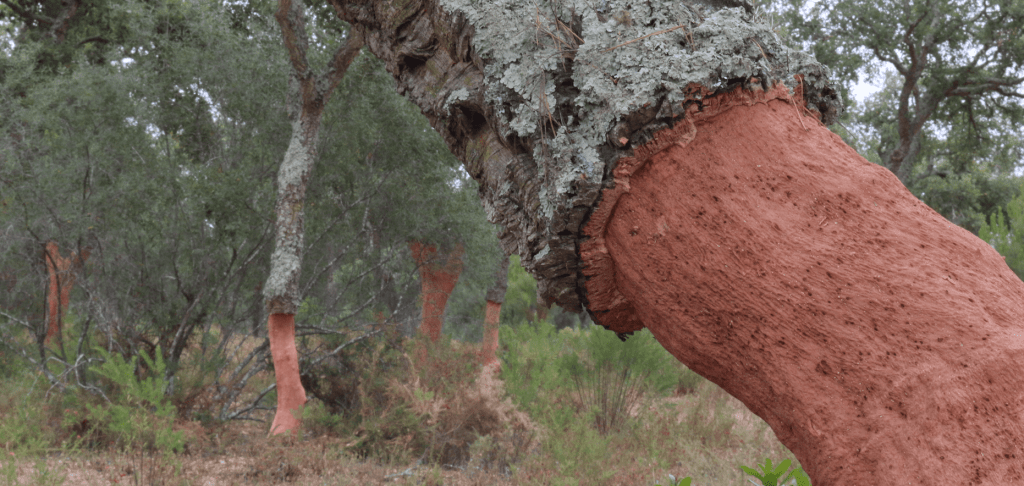
Corks are made from the cork tree (Quercus suber), which has at least reached fifty years of age. It needs warm dry summer months and cool mildly wet winters for the Cork tree to grow. It is mostly grown in Mediterranean countries with this type of weather. Cork trees are usually grown in Portugal, Spain, and France on one side of the Mediterranean Sea and in Tunisia, Algeria, and Morocco on the other side. Portugal supplies half of the world’s cork. Brazil and China also produce some quantity of cork. Conditions that are more humid are not, however, suitable for the production of quality wine corks. It takes a minimum of 25 years for a newly planted Cork Tree to grow sufficiently enough to have a bark of sufficient thickness to separate from the trunk of the tree. Thereafter, it takes another 9-10 years for the tree to produce another layer of corky bark again in sufficient thickness. However, the first few bark harvests will not be of high quality. After harvesting, they are kept in storage for about six months to stabilize. Nearly 90% of the cork is air and during the stabilization period, it expands. There are two types of corks. (1) Whole-body single-piece cork, which is expensive and is usually used for Champaign. (2) Reconstituted agglomerate cork made by bonding cork particles onto a disk of proper cork on either end is called Technical Cork. These are typically used for sparkling wine bottles. As an important commodity, it is illegal to cut down cork trees without permission irrespective if the tree is dead or alive.
New Zealand started its Screw Cap Wine Seal Initiative in 2001 Today around 90% of New Zealand’s wines are sealed with a screw cap.


Hotter wine regions can use altitude to cool the climate, as there is a 0.6° C drop in temperature every 100m in height. Planting vines on hills or mountainsides in these warmer environments are important to slow down ripening and build complexity.
The vine (Vitus) is a perennial climbing plant that produces fruit. There are in excess of 5000 different types. The vine used for quality wine, Vitus vinifera, is called after the grape variety e.g. Chardonnay, Sauvignon Blanc, Cabernet Sauvignon, Pinot Noir, etc.


In the late 1800s, a microscopic louse, louse, Phylloxera, started to cause unprecedented and catastrophic destruction to vast areas of European vineyards. There are several types of phylloxera; there are those that affect the roots, those that affect the leaves, and those that affect both the roots and the leaves. It is a small aphid-like insect native to North America. Phylloxera spread to Europe and then to many of the grape-growing regions around the world in the late 1800s. By the early 1900s around 70% of French vines had perished! The French Ministry of Agriculture was so concerned it offered 20,000 Francs (about $1ML in today’s money – to anyone who could find a cure. Today, Phylloxera is still present in many wine regions around the world. In New South Wales, phylloxera is found in Camden and Cumberland near Sydney and in the Albury/Corowa area. Several viticultural regions in Victoria including Rutherglen, Nagambie, and King Valley are affected by the pest. Phylloxera has not been detected in South Australia, Western Australia, or Tasmania.

“In the early days, roses were often planted at the ends of vine rows as they gave early warning of pests and diseases. These days, Riverland Grape growers are well-equipped with a range of digital systems with which to manage such risks”
The custom of clinking glasses originated from apocryphal stories about poisoning. When bumping glasses together, some of the liquid would spill over into the other so, both parties would be more confident that they were drinking the same safer fluid.

 VARUN.WINE